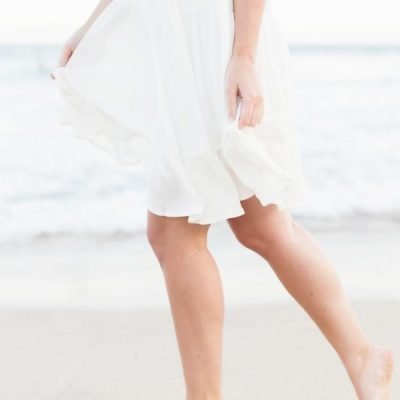
Close your eyes.
Not literally — not yet. First, read. Then close your eyes and let the sound find you.
We talk so much about how a place looks. The golden light, the terracotta rooftops, the way linen falls in a Tuscan doorway. But looking is only half of remembering. It’s the sounds that stay lodged in you years later — the ones that ambush you in a grocery store parking lot when a stranger’s espresso machine hisses just right, and suddenly you’re eleven years old and standing in an eleven-hundred-year old kitchen.
This is an invitation to travel with your ears.
The Sound of a Tuscan Morning
Close your eyes. This is what a Tuscan morning sounds like.
Church bells first — not urgent, just present, marking time the way a clock never could. Then the low hiss and gurgle of the espresso machine from the kitchen below your window. Shutters, wooden and swollen from humidity, creaking open one street at a time as the town wakes up in sequence, not all at once.
There is no rush in this sound. That’s the whole lesson.
What Rome Sounds Like at Dusk
Close your eyes. This is what Rome sounds like at dusk.
A Vespa engine, buzzing close and then fading down a side street. The low, constant murmur of a fountain — not the dramatic ones tourists photograph, but a small neighborhood one, worn smooth by centuries of hands. And underneath it all, dinner conversation drifting down from open windows — the specific cadence of Italian spoken between people who have loved each other, or argued with each other, for decades.
The Sound of Sunday Lunch in Puglia
Close your eyes. This is what Sunday lunch in Puglia sounds like.
Glasses clinking — not a toast, just the ordinary music of a table being set for twelve. Nonna’s voice, carrying over everyone else’s without ever being raised. Chairs scraping against stone floors as people shift to make room for one more, because there is always room for one more.
Venice Before the Tourists Wake
Close your eyes. This is what Venice sounds like before the tourists wake.
Oars dipping into still water — that particular soft shhk of a gondolier’s stroke with no crowd to perform for. Gulls, distant. Footsteps on damp stone, unhurried, belonging to someone who actually lives here and has somewhere ordinary to be.
The Sound of an Italian Market
Close your eyes. This is what an Italian market sounds like.
Vendors calling out prices like a song they’ve sung ten thousand times. Wooden crates thudding onto stone as the day’s delivery arrives. The soft rustle of string shopping bags being filled — an old sound, a sound that predates plastic and predates hurry.
Amalfi Coast Siesta Hour
Close your eyes. This is what siesta hour on the Amalfi Coast sounds like.
Cicadas, relentless and hypnotic in the heat. Shutters closing, one by one, as the whole coastline agrees, without discussing it, to rest. Waves somewhere far below, patient, having nowhere else to be either.
Not literally — not yet. First, read. Then close your eyes and let the sound find you.
We talk so much about how a place looks. The golden light, the terracotta rooftops, the way linen falls in a Tuscan doorway. But looking is only half of remembering. It’s the sounds that stay lodged in you years later — the ones that ambush you in a grocery store parking lot when a stranger’s espresso machine hisses just right, and suddenly you’re eleven years old and standing in an eleven-hundred-year old kitchen.
This is an invitation to travel with your ears.
The Sound of a Tuscan Morning
Close your eyes. This is what a Tuscan morning sounds like.
Church bells first — not urgent, just present, marking time the way a clock never could. Then the low hiss and gurgle of the espresso machine from the kitchen below your window. Shutters, wooden and swollen from humidity, creaking open one street at a time as the town wakes up in sequence, not all at once.
There is no rush in this sound. That’s the whole lesson.
What Rome Sounds Like at Dusk
Close your eyes. This is what Rome sounds like at dusk.
A Vespa engine, buzzing close and then fading down a side street. The low, constant murmur of a fountain — not the dramatic ones tourists photograph, but a small neighborhood one, worn smooth by centuries of hands. And underneath it all, dinner conversation drifting down from open windows — the specific cadence of Italian spoken between people who have loved each other, or argued with each other, for decades.
The Sound of Sunday Lunch in Puglia
Close your eyes. This is what Sunday lunch in Puglia sounds like.
Glasses clinking — not a toast, just the ordinary music of a table being set for twelve. Nonna’s voice, carrying over everyone else’s without ever being raised. Chairs scraping against stone floors as people shift to make room for one more, because there is always room for one more.
Venice Before the Tourists Wake
Close your eyes. This is what Venice sounds like before the tourists wake.
Oars dipping into still water — that particular soft shhk of a gondolier’s stroke with no crowd to perform for. Gulls, distant. Footsteps on damp stone, unhurried, belonging to someone who actually lives here and has somewhere ordinary to be.
The Sound of an Italian Market
Close your eyes. This is what an Italian market sounds like.
Vendors calling out prices like a song they’ve sung ten thousand times. Wooden crates thudding onto stone as the day’s delivery arrives. The soft rustle of string shopping bags being filled — an old sound, a sound that predates plastic and predates hurry.
Amalfi Coast Siesta Hour
Close your eyes. This is what siesta hour on the Amalfi Coast sounds like.
Cicadas, relentless and hypnotic in the heat. Shutters closing, one by one, as the whole coastline agrees, without discussing it, to rest. Waves somewhere far below, patient, having nowhere else to be either.
Why Sound Matters More Than We Think
We build our idea of slow living almost entirely from images — and images are wonderful, but they’re passive. You can look at a photo of Tuscany and still be checking your phone. Sound asks something different of you. You can’t half-listen to cicadas and also scroll. Sound demands presence in a way sight doesn’t.
That’s the real invitation here. Not just to imagine Italy, but to imagine arriving somewhere — anywhere — with your ears open first. What does your own morning sound like, underneath the podcast or the radio you reach for out of habit? What would you hear if you let the silence run for thirty extra seconds before filling it?
Maybe that’s the first small act of reinvention: not changing your life, just listening to it.
This is the first in a series of sensory journeys through the places that teach us to live slower. Next stop: the sounds of a Provençal village at harvest time.
We build our idea of slow living almost entirely from images — and images are wonderful, but they’re passive. You can look at a photo of Tuscany and still be checking your phone. Sound asks something different of you. You can’t half-listen to cicadas and also scroll. Sound demands presence in a way sight doesn’t.
That’s the real invitation here. Not just to imagine Italy, but to imagine arriving somewhere — anywhere — with your ears open first. What does your own morning sound like, underneath the podcast or the radio you reach for out of habit? What would you hear if you let the silence run for thirty extra seconds before filling it?
Maybe that’s the first small act of reinvention: not changing your life, just listening to it.
This is the first in a series of sensory journeys through the places that teach us to live slower. Next stop: the sounds of a Provençal village at harvest time.



Leave a Reply
You must be logged in to post a comment.